
TL;DR: Quick answer for busy Abbotsford property owners
Winter freeze damage to siding in Abbotsford usually shows up as hairline cracks, warped or buckled boards, popped nails, and peeling caulking around windows and trim once the thaw hits. If you see moisture stains or soft spots, water has already found its way behind the siding.
Do a slow walk-around on a dry day, especially on the north and east sides that stay colder longer in neighbourhoods like Clayburn Village, McMillan, and Auguston. Mark every issue, dry the area, seal minor gaps, and call a pro if you see bulging walls, rot, or recurring leaks.
If you’d like, we can inspect, photograph, and document winter siding damage for your Abbotsford home or strata, then give you a clear repair plan and quote so you can budget repairs before spring rains make things worse.
Why winter freeze damage matters more in Abbotsford
Abbotsford’s freeze–thaw cycle is sneaky. We get wet, mild spells followed by sudden cold snaps, especially out toward Sumas Prairie and Glen Mountain. Water seeps into tiny gaps in siding, freezes, expands, and slowly forces boards apart or cracks vinyl and fiber cement.
That movement might look cosmetic in February, but by April it can turn into trapped moisture, mould, and higher heating bills as cold air leaks in around damaged cladding. For strata managers along Old Yale Road or Marshall Road, that means more unit complaints and bigger capital projects later.
Catching freeze damage early keeps your envelope intact, protects insulation and framing, and extends the life of your paint and caulking. It’s far cheaper to replace a few damaged panels and re‑seal penetrations now than to open up a soaked wall in two winters’ time.
Main signs of winter freeze damage to siding in Abbotsford
Start with the obvious: look for cracked, split, or brittle siding boards, especially near the bottom courses and around hose bibs, dryer vents, and deck connections. On vinyl, you may see hairline cracks or pieces that have snapped off; on fiber cement, look for corner chips and long, straight fractures.
Next, scan for warping and movement. Freeze–thaw cycles often leave boards cupped, bowed, or pulled away from the wall. You might spot popped nails or screws, loose J‑channels around windows, and gaps where trim used to sit flush. In Mission Highway wind corridors, this often shows up on the weather‑facing walls first.
Finally, watch for moisture clues. Stains on interior drywall, peeling paint, musty smells near exterior walls, and soft sheathing when you gently press on suspect areas all suggest that water has worked past your siding. If you see icicles forming from a specific wall section in cold weather, that’s a red flag for heat loss and moisture escape.
Step‑by‑step checklist: How to inspect your siding after winter
Pick the right day. Choose a dry, bright day after a cold snap. Walk slowly around your Abbotsford property, starting on the north and east sides where frost lingers longer.
Do a ground‑level scan. Look for cracks, chips, missing pieces, or panels that look wavy or buckled. Take photos on your phone and note locations (e.g., “north wall, 2nd panel from bottom, near kitchen window”).
Check around openings. Inspect caulking and trim around windows, doors, vents, and hose bibs. Note any gaps, peeling sealant, or dark stains under sills that could indicate water entry.
Gently test suspect spots. With gloves on, press lightly on warped or stained areas. If the siding feels spongy or moves easily, there may be rot or loose sheathing behind it.
Look inside too. Check the inside walls opposite any exterior issues for stains, bubbling paint, or musty odours. This is especially important in basements and lower suites in East Abbotsford and Clearbrook.
Document and prioritize. Create a simple list: minor caulking fixes, single‑board replacements, and urgent issues (bulging walls, soft spots, active leaks). Use this to decide what you can safely DIY and what needs a professional crew.
For strata complexes and small commercial buildings on South Fraser Way, repeat this process for each elevation and common area. Consider logging issues in a shared spreadsheet so council or ownership can track patterns and budget for repairs over multiple buildings.
If this sounds like a lot, we can complete a structured post‑winter siding inspection, complete with photos, a priority list, and ballpark repair costs. That way you can present clear options at your next council or budget meeting.
How to fix minor freeze damage (and when to stop DIYing)
For hairline cracks in vinyl or fiber cement where there’s no sign of moisture behind, you can usually stabilize things with careful sealing. Clean the area with mild soap and water, let it dry fully, then apply an exterior‑grade, paintable sealant rated for our wet Fraser Valley climate.
Small gaps at trim or around windows can often be handled with a sharp utility knife and fresh caulking. Cut out loose or failed caulk, clean the joint, and run a smooth, continuous bead. Once cured, repaint if needed to maintain UV and moisture protection, especially on south‑facing walls in areas like McMillan and Sandy Hill.
Stop DIYing and call a pro if you see multiple cracked boards in one area, bulging or soft sheathing, visible mould, or recurring leaks after you’ve already tried sealing. Those signs usually mean hidden damage that needs boards pulled, flashing checked, and possibly building paper or housewrap repaired to meet BC Building Code requirements.
Pro tips, safety notes, and Abbotsford‑specific advice
Avoid using ladders on icy driveways or decks; Abbotsford’s shaded side yards can stay slick long after the sun comes out. If you can’t safely reach an area from the ground or a stable platform, it’s not a DIY job—especLocalially on three‑storey townhomes and walk‑outs.
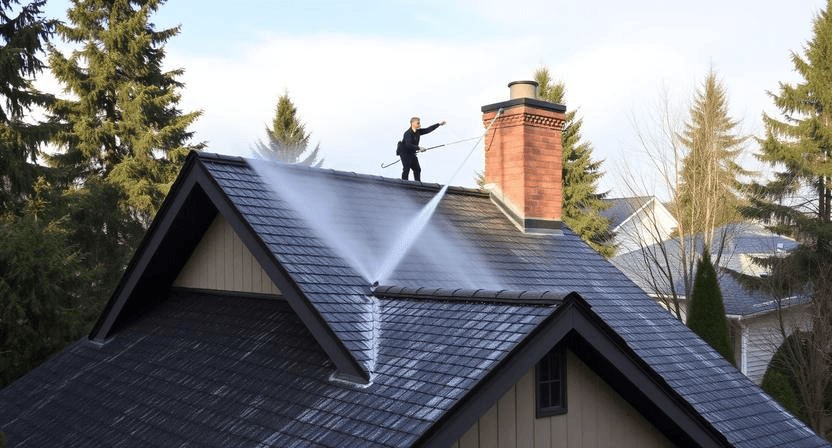
Never pressure‑wash damaged siding in an attempt to “clean it up.” High‑pressure water can drive moisture behind cracked panels and into insulation. If you need cleaning, ask for a low‑pressure or “soft‑wash” approach that uses gentle water flow and cleaning solution instead of brute force.
When comparing contractors, ask about WorkSafeBC coverage, liability insurance, and experience with winter‑related siding repairs in Abbotsford and the wider Fraser Valley. A reputable local company will gladly provide before/after photos, references from nearby neighbourhoods, and a written scope of work so you know exactly what’s being fixed.
FAQs: Winter siding damage in Abbotsford
How often should I check my siding for winter damage in Abbotsford?
Do a quick visual check after any major cold snap or snow event, then a thorough walk‑around each late February or early March. This timing lets you catch freeze damage before heavy spring rains drive water behind the siding.
Is vinyl siding in Abbotsford more likely to crack in winter than fiber cement?
Both can suffer from freeze–thaw, but vinyl is more prone to brittle cracking in very cold snaps, while fiber cement typically shows corner chips and long fractures. Proper installation and expansion gaps matter more than the material alone.
Can I just caulk over every gap I see in my siding?
No. Over‑caulking can trap moisture where it should be able to drain. Only seal joints that are designed to be sealed, like window perimeters and trim joints. Leave intentional weep gaps and flashing details open to do their job.
Do strata corporations in Abbotsford need professional siding inspections after harsh winters?
It’s strongly recommended for multi‑unit buildings, especially wood‑frame condos and townhomes. A professional envelope inspection every few years helps councils plan maintenance, avoid surprise special levies, and document issues for warranties or insurance.
Will my home insurance cover winter freeze damage to siding?
Policies vary, but many insurers treat gradual freeze–thaw damage as maintenance rather than a sudden insured event. It’s best to document issues early, keep up with caulking and painting, and confirm coverage details with your broker in writing.
Should I replace all my siding if one wall shows freeze damage?
Not always. Often we can do targeted repairs, replace damaged courses, and improve flashing and sealants on the worst walls. A full replacement makes sense when damage is widespread or the siding is already at the end of its service life.
Next steps and local help in Abbotsford
If your walk‑around has revealed cracked boards, warped panels, or suspicious stains, the next smart step is a focused siding assessment. For Abbotsford homeowners and strata councils, that means clear photos, written notes, and a repair plan that fits your budget and timeline.
If you’d like, we can inspect your Abbotsford property, from single‑family homes in West Abbotsford to townhomes off Immel Street and small commercial buildings along South Fraser Way. We’ll identify winter freeze damage, separate cosmetic issues from urgent risks, and outline repair options in plain language.
Ready to get ahead of spring rain? Call our local team at 604‑555‑0137 or visit our Google Business Profile to see recent Abbotsford siding repair photos and reviews. We service Abbotsford, Mission, Chilliwack, and the wider Fraser Valley, and we’re happy to become your go‑to exterior maintenance partner year‑round.