TL;DR: DIY vs Pro Pressure Washing in Vancouver
If you’re Googling “pressure washing Vancouver” because you’re debating another rental, here’s the quick answer: DIY is fine for small, low-risk jobs on ground-level hard surfaces. The moment you’re dealing with height, fragile materials, or serious staining, it’s time to call a pro.
In Vancouver’s wet, moss-prone climate, the big line in the sand is risk. If the job involves ladders, roofs, multi-storey strata, wood decks, or delicate siding, professional soft-wash and pressure washing is almost always safer, cheaper long-term, and better for your property value.
Use this rule of thumb: if you can safely reach it from the ground, it’s not painted, and replacing it wouldn’t be painful on your wallet, DIY can work. For everything else—especially strata common areas and commercial storefronts—hire a WorkSafeBC-covered, insured local contractor.
Why This Decision Matters More in Rainy Vancouver
Vancouver’s climate is beautiful and brutal at the same time. Constant rain, shade from big trees in Kitsilano and North Vancouver, and salty air near Coal Harbour and False Creek all accelerate moss, algae, and mildew growth on siding, roofs, and walkways.
That extra moisture makes surfaces slicker and more fragile. Cedar decks, asphalt shingles, and older stucco in East Van can be damaged quickly by a rental pressure washer in the wrong hands. At the same time, slippery stairs and green patios are a serious liability issue for strata councils and small commercial owners.
Because of this, the DIY vs pro call isn’t just about saving a few hundred dollars on a rental. It’s about safety, insurance, and long-term maintenance. Done right, exterior cleaning in Vancouver extends the life of roofs, decks, and paint jobs—done wrong, it can strip coatings, force water behind siding, and void warranties.
DIY-Friendly Jobs vs Pro-Only Jobs (Vancouver Edition)
Some exterior cleaning tasks around Vancouver homes are relatively safe to DIY with a rental machine from a local tool shop. Ground-level concrete driveways in Burnaby, small patios in Mount Pleasant, and simple walkways without paint or sealers are usually fair game if you follow safety basics.
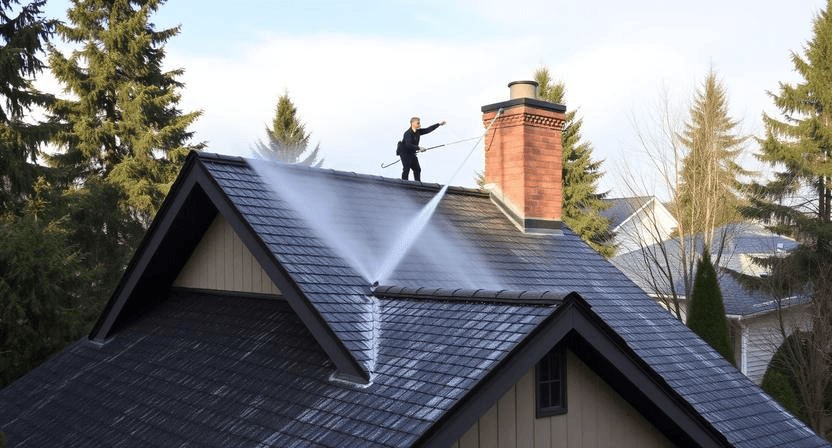
On the other hand, pro-only jobs include anything involving roofs, multi-level buildings, or delicate surfaces. Think: moss-covered asphalt shingles in North Vancouver, vinyl siding three storeys up in Yaletown, or older painted wood siding in New Westminster. These surfaces often need a soft-wash system—low pressure plus specialized detergents—not brute-force water.
Strata and commercial properties add another layer: liability. Common areas, parkade ramps, and storefront sidewalks around Commercial Drive or Metrotown handle heavy foot traffic. If a DIY job leaves them patchy, etched, or still slippery, the strata or business owner may be on the hook if someone slips. That’s where documented, insured professional service makes sense.
Step-by-Step Checklist: Should You DIY or Call a Pro?
Use this quick decision checklist before you rent another pressure washer in Vancouver. It’s designed for homeowners, strata managers, and small commercial owners who want a clear, low-drama answer. Be honest with each step—especially around safety and comfort with tools.
Identify the surface. Is it concrete, pavers, wood, composite, vinyl siding, stucco, brick, or asphalt shingles? Fragile or coated surfaces (wood, paint, shingles, older stucco) lean strongly toward pro service.
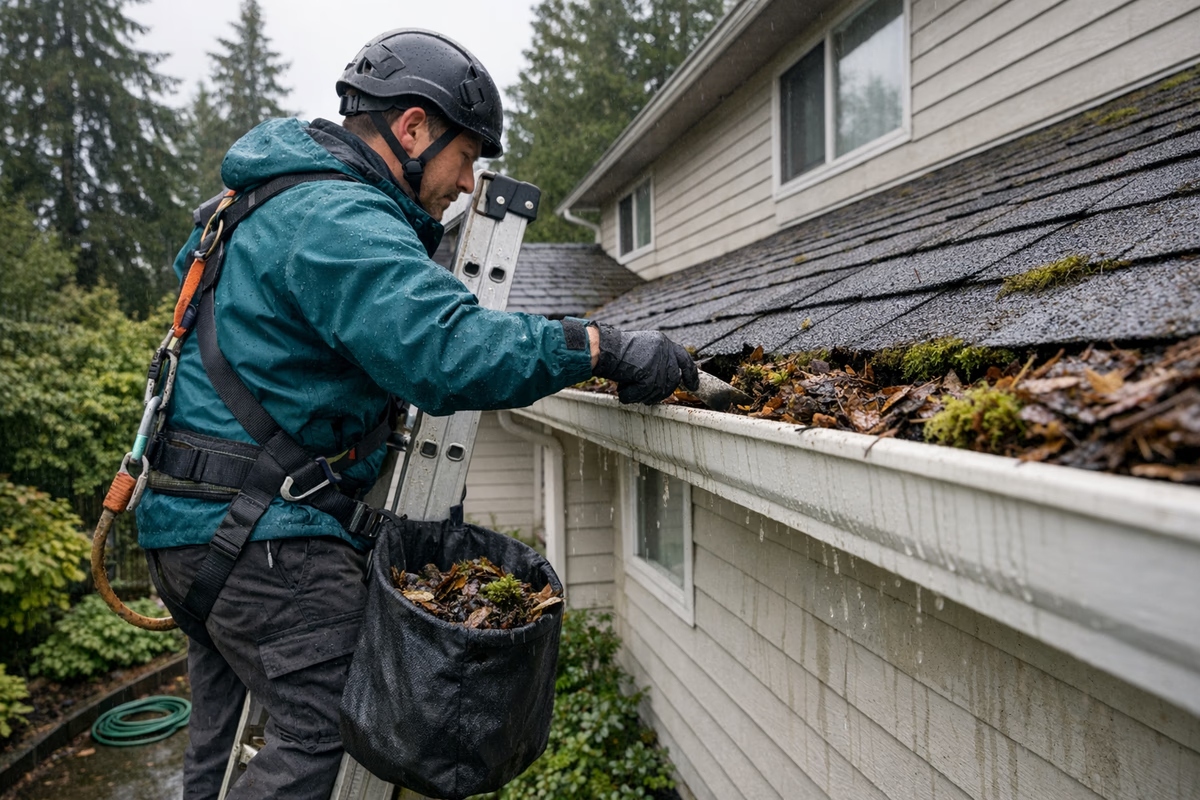
Check the height. Can you reach everything safely from the ground with the wand? If ladders, roof access, or multi-storey work is needed, call a pro—falls are the number one risk.
Assess damage risk. Ask yourself: “If I etched, stripped, or cracked this, how expensive would it be to fix?” If the answer is “painful,” don’t DIY. Roofs, siding, and decks usually fall here.
Look at the growth. Is it light dirt and dust, or thick moss and algae? Heavy organic growth in shady Vancouver yards often needs a soft-wash treatment and dwell time, not just higher pressure.
Check drainage and neighbours. Will runoff head toward storm drains, gardens, or a neighbour’s yard? Some detergents need careful control and may be regulated—pros understand local bylaws.
Factor your time and tools. Do you have several uninterrupted hours, PPE (gloves, eye protection, boots), and basic tool comfort? If not, the “cheap” rental can become an expensive weekend.
Consider warranties and insurance. Roof and siding warranties often exclude damage from improper pressure washing. Strata and commercial properties should verify WorkSafeBC coverage and liability insurance if hiring out.
Get a comparison quote. Before renting, grab a fast quote from a local “pressure washing Vancouver” provider. For many jobs, the price difference vs DIY is smaller than you think once rentals, detergents, and your time are included.
If you ticked “pro” on height, fragility, or liability, skip the rental. For smaller ground-level concrete or paver cleaning, DIY can be fine—just keep the pressure moderate, test a small area first, and avoid aiming at doors, windows, or vents.
Pro Tips & Safety Notes: When DIY Becomes Dangerous
Pressure washers look simple, but at 2,000–3,000 PSI they can cut skin, damage eyes, and carve into wood and concrete. In a rainy city like Vancouver, where algae and moss make every surface slicker, that risk climbs fast—especially on stairs, decks, and sloped driveways.
WorkSafeBC frequently highlights falls from ladders and roofs as a major source of injuries. Combining ladders, wet conditions, and a kickback-prone pressure washer is exactly the kind of scenario that sends DIYers to the ER. If you need to work above the first storey, or on any roof, that’s a clear “call a pro” moment.
Also note: blasting moss off asphalt shingles or cedar shakes can void roofing warranties and shorten roof life by years. Pros use soft-wash methods—low pressure with biodegradable detergents designed to kill moss and algae—rather than raw force. If you’re unsure which method to use, it’s safer and often cheaper long-term to hire a local specialist.
Local Case Studies: Real Vancouver Jobs Where Pros Won
June 2025 — Deck cleaning in Port Moody, 2-day job. A homeowner rented a pressure washer to “freshen” a cedar deck. After visible gouging and fuzzing the wood, they called a pro. The crew switched to a low-pressure wash and brightening treatment, then recommended a re-stain. The fix cost more than a proper pro clean would have in the first place.
April 2024 — Strata sidewalks in Kitsilano. A self-managed strata tried DIY pressure washing on common walkways. Uneven cleaning left patchy stripes, and one resident slipped on leftover moss. A local contractor returned with surface cleaners and eco-friendly detergents, restoring grip and appearance in one morning.
September 2024 — Roof moss removal in North Vancouver. A homeowner considered renting a washer to remove heavy moss from a 2-storey asphalt shingle roof. After learning that high pressure could void the shingle warranty, they hired a soft-wash specialist. The moss was treated, gently rinsed, and gutters flushed, with before/after photos for insurance and resale records.
Pressure Washing in Vancouver & the Lower Mainland
How often should I book pressure washing in Vancouver?
Most Vancouver homes benefit from exterior cleaning every 12–24 months, depending on shade, trees, and proximity to the ocean. Strata and commercial sidewalks may need annual or even seasonal cleaning to manage algae and slip hazards in our wet climate.
Is it safe to pressure wash my own roof in Vancouver?
Generally, no. High-pressure washing on asphalt shingles, cedar, or tile can strip protective layers, drive water under shingles, and void warranties. In rainy Vancouver, roofs should be soft-washed by insured pros using low pressure and targeted treatments.
Can I use a rental pressure washer on my wood deck?
Only with great care and low pressure. Many DIYers in places like East Van and Burnaby accidentally etch or “fuzz” deck boards. A professional can dial in the right technique or use soft-wash methods that clean without chewing up the wood.
What’s the difference between pressure washing and soft washing?
Pressure washing uses higher-pressure water to clean hard surfaces like concrete. Soft washing uses low pressure plus specialized detergents to safely clean roofs, siding, and delicate surfaces. In Vancouver’s mossy climate, soft-wash is often the better choice for anything fragile.
How much does professional pressure washing cost in Vancouver?
Pricing varies by size, access, and surface type, but many Vancouver driveways and small patios fall in the few-hundred-dollar range. Multi-unit strata, parkades, and commercial storefronts cost more but often include maintenance plans and documentation for councils.
Do I need permits or special detergents near storm drains?
Some areas in Metro Vancouver have specific rules about what can enter storm drains, especially near creeks and the ocean. Pros typically use biodegradable detergents and manage runoff; always check local bylaws or hire a contractor who already understands them.
How to Book a Pro Instead of Another Rental
If you’re on the fence about renting a pressure washer again, consider this: one quick site visit from a local “pressure washing Vancouver” specialist can give you a clear plan, a fixed quote, and honest advice on what you can safely DIY versus what’s better left to the crew.
If you’d like, we can walk your property in Kitsilano, Burnaby, New Westminster, or anywhere across the Lower Mainland, flag the risky areas, and build a maintenance schedule that keeps moss, algae, and grime under control year-round. We’ll provide before/after photos, product details, and timing recommendations tailored to Vancouver’s rainy seasons.
Service Area: Vancouver, North Vancouver, West Vancouver, Burnaby, New Westminster, Coquitlam, Port Moody, Richmond, Surrey, and nearby communities.
Book or request a quote: Call us, visit our Google Business Profile, or use the contact form on our Vancouver pressure washing service page.